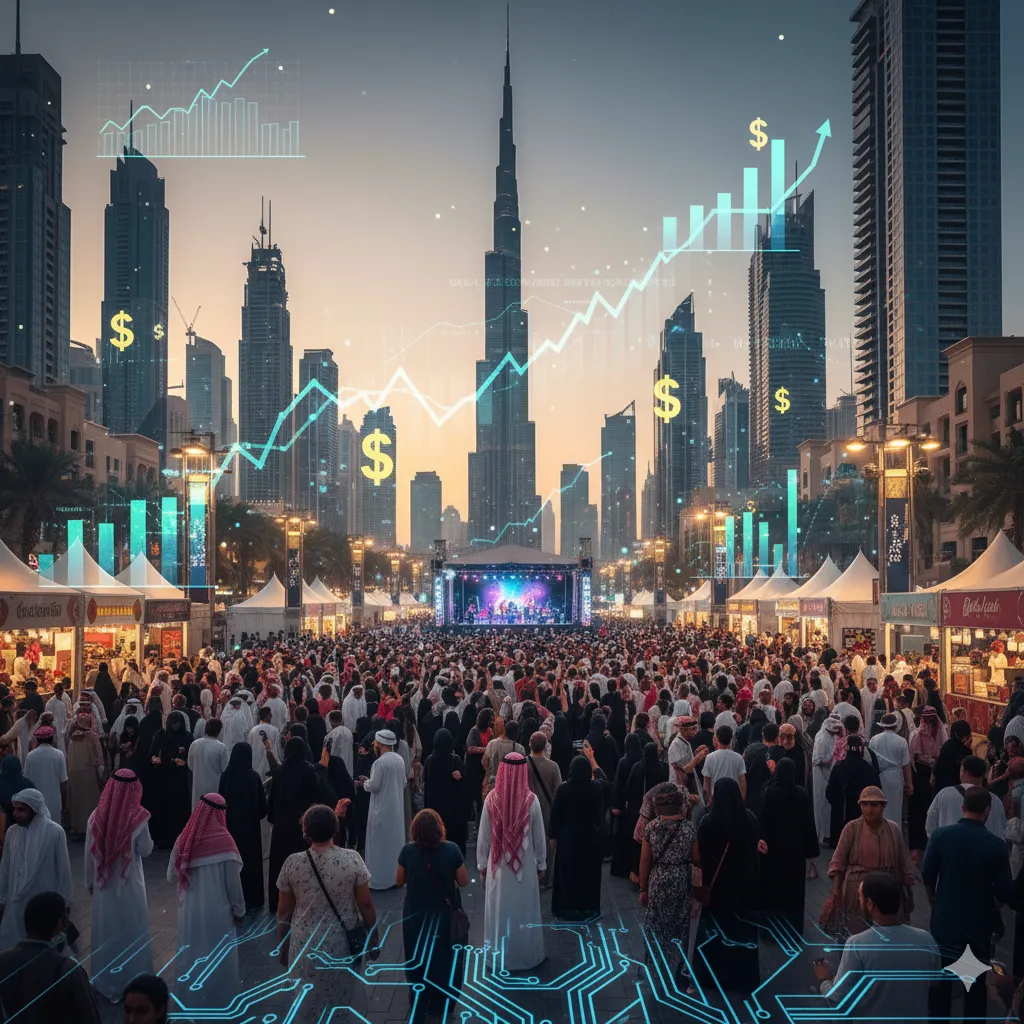

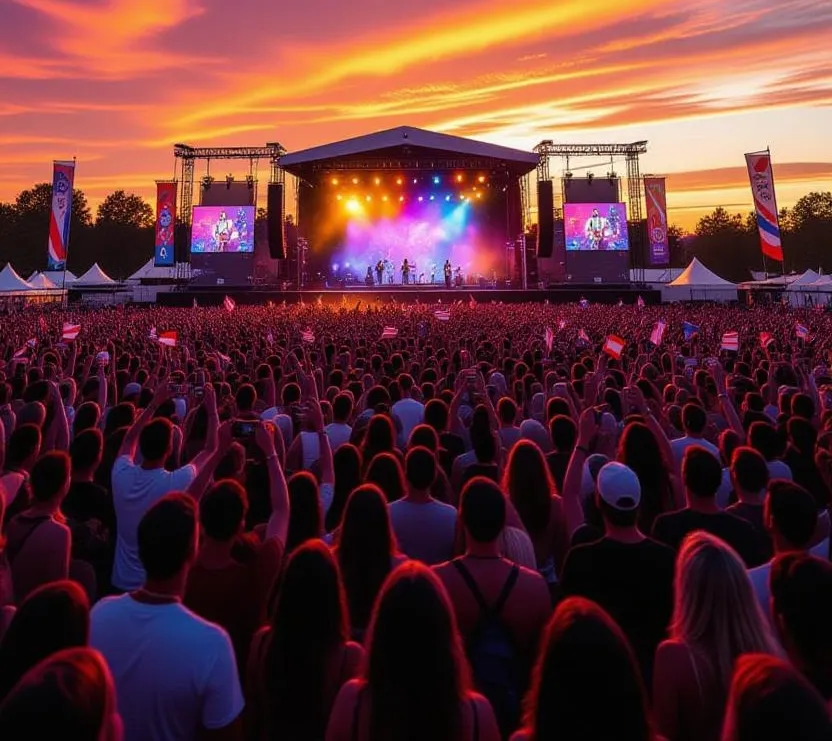
Music is a universal language, but there’s nothing quite like experiencing it live, surrounded by thousands of fellow fans under an open sky. International music festivals take this experience to another level, blending world-class performances with the thrill of travel and cultural immersion. They are more than just concerts; they are pilgrimages for music lovers, temporary cities built on rhythm, art, and community.
From legendary British fields to sun-drenched Californian deserts and historic European fortresses, each festival offers a unique identity and an unforgettable adventure. If you’re ready to pack your bags for a sonic journey, here are ten iconic global music festivals that everyone should experience at least once.
1. Glastonbury Festival (Pilton, UK)
- History: Arguably the most famous festival in the world, Glastonbury began in 1970, a day after Jimi Hendrix died. Founder Michael Eavis, a dairy farmer, hosted 1,500 hippies on his land. Today, it attracts over 200,000 people.
- Genres: Everything. From rock legends and pop superstars on the iconic Pyramid Stage to underground electronic acts, folk, jazz, and world music, Glastonbury’s lineup is a true celebration of all music.
- Unique Features: Glastonbury is a sprawling city of creativity. Beyond the music, it hosts a circus, theatre, cabaret, and countless art installations. Its sheer scale, rich history, and the infamous British mud create a rite of passage for festival-goers worldwide.
2. Coachella Valley Music and Arts Festival (California, USA)
- History: First held in 1999, Coachella has grown into a global trendsetter, officially kicking off the festival season each April. It’s known for its high-profile headliners and surprise artist reunions.
- Genres: A curated blend of indie, alternative rock, hip hop, and electronic music.
- Unique Features: Set against a stunning desert backdrop, Coachella is as much a visual spectacle as it is a musical one. Its iconic Ferris wheel, large-scale interactive art installations, and celebrity attendees have made it a global cultural phenomenon where music and fashion collide.
3. Tomorrowland (Boom, Belgium)
- History: Since its debut in 2005, Tomorrowland has become the undisputed mecca for electronic dance music fans. It’s renowned for selling out in minutes, bringing together a global community known as the “People of Tomorrow.”
- Genres: A comprehensive showcase of Electronic Dance Music (EDM), including house, techno, trance, hardstyle, and more.
- Unique Features: Tomorrowland’s greatest draw is its immersive, fairytale-like world. Each year, a new fantastical theme is brought to life with extraordinarily detailed stage designs, pyrotechnics, and performers. The on-site “DreamVille” campsite further enhances the magical, community-focused atmosphere.
4. Fuji Rock Festival (Naeba, Japan)
- History: Japan’s largest outdoor music event started in 1997. After a typhoon-hit first year, it found its permanent home at the beautiful Naeba Ski Resort.
- Genres: Primarily focused on rock and electronic music, but with a diverse undercard.
- Unique Features: Fuji Rock is celebrated for its breathtaking mountain scenery and its famously polite and respectful audience. It’s often called the “cleanest festival in the world.” Attendees can ride the Dragondola, the world’s longest gondola lift, between stages for spectacular views.
5. Sziget Festival (Budapest, Hungary)
- History: Born in 1993 from the ashes of the Soviet Union, Sziget started as a small student gathering and has blossomed into one of Europe’s largest cultural events.
- Genres: An incredibly diverse lineup spanning pop, rock, electronic, world music, reggae, and everything in between.
- Unique Features: Held on Óbuda Island in the middle of the Danube River, Sziget dubs itself “The Island of Freedom.” It’s a week-long, 24/7 cultural extravaganza that combines a massive music festival with theatre, circus, art installations, and talks.
6. Rock in Rio (Rio de Janeiro, Brazil & Lisbon, Portugal)
- History: An event of monumental scale, Rock in Rio first exploded onto the scene in 1985 with headliners like Queen and AC/DC, drawing over 1.5 million people. The festival now alternates between its home in Brazil and Lisbon, Portugal.
- Genres: While its roots are in rock, the festival now features the biggest names in pop, funk, and electronic music on its “World Stage.”
- Unique Features: The energy of the South American crowd is legendary and unmatched. The festival grounds, known as the “City of Rock,” feature a zip line that flies daring attendees over the main stage crowd during performances.
7. Splendour in the Grass (Byron Bay, Australia)
- History: Since 2001, Splendour has been Australia’s premier winter music festival, attracting top-tier international and local acts to the beautiful coastal region of Byron Bay.
- Genres: A mix of indie-rock, hip hop, electronic, and alternative artists.
- Unique Features: Beyond the music, Splendour is known for its extensive arts and crafts program, the bohemian Tipi Forest, and a vibrant, free-spirited atmosphere. For many young Australians, braving the potential mud is a beloved annual tradition.
8. Roskilde Festival (Roskilde, Denmark)
- History: One of Europe’s oldest festivals, Roskilde was created by two high school students in 1971. Since 1972, it has been run by a non-profit foundation, with all profits donated to humanitarian and cultural causes.
- Genres: A forward-thinking mix of rock, pop, hip-hop, metal, and electronic, with a strong emphasis on showcasing emerging Scandinavian talent.
- Unique Features: The “Roskilde feeling” is all about community and charity. The festival is famous for its 8-day duration (4 days of warm-up and 4 days of music) and the annual “Naked Run” on the Saturday of the event.
9. Exit Festival (Novi Sad, Serbia)
- History: Exit has one of the most powerful origin stories. It was founded in 2000 by a student movement fighting for democracy and freedom in Serbia. This spirit of social activism remains at its core.
- Genres: A diverse mix of rock, techno, metal, and hip-hop. Its “Dance Arena,” set in a moat of the fortress, is consistently voted one of the best electronic music stages in the world.
- Unique Features: The setting is unbeatable: the colossal and historic Petrovaradin Fortress overlooking the Danube River. Dancing from dusk till dawn in this historic location is a truly unique and electrifying experience.
10. Lollapalooza (Chicago, USA & Global Editions)
- History: Conceived by Jane’s Addiction frontman Perry Farrell in 1991 as a farewell tour, Lollapalooza defined the alternative music scene of the 90s. After a hiatus, it was reborn as a destination festival in Chicago’s Grant Park in 2005 and has since expanded globally.
- Genres: A massive, multi-genre lineup covering alternative rock, heavy metal, punk rock, hip hop, and EDM.
- Unique Features: Its urban setting makes it unique among major American festivals, with the Chicago skyline providing a stunning backdrop. It’s also known for being family-friendly with its “Kidzapalooza” stage.
These festivals are more than just items on a checklist; they are vibrant, living communities that offer a chance to connect with music and people on a deeper level. Each one promises a unique adventure that will leave you with memories, friendships, and a soundtrack to last a lifetime.