
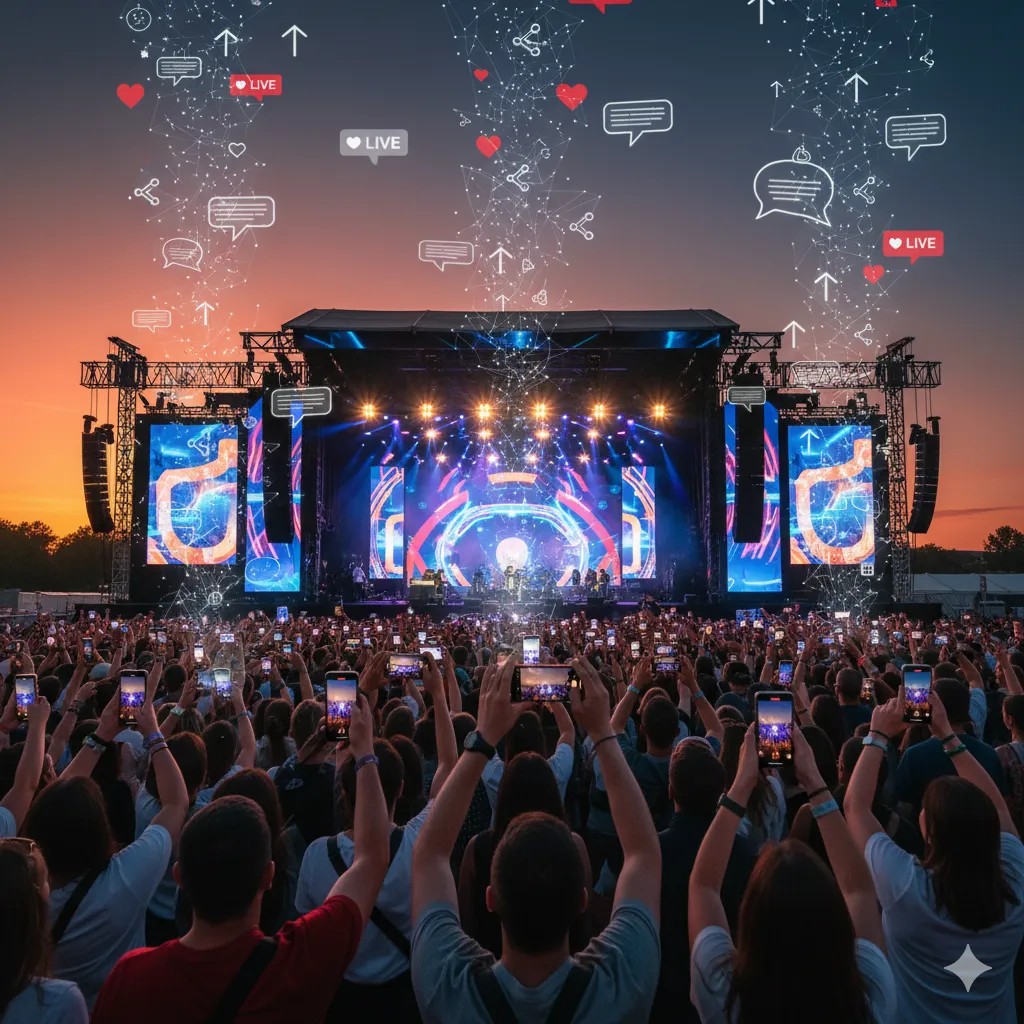
Not too long ago, the success of a music festival was measured by ticket sales, artist rosters, and word-of-mouth buzz that traveled through whispers and magazine pages. Today, the landscape has been completely terraformed. The most successful global festivals like Coachella, Tomorrowland, and Glastonbury are no longer just annual events; they are year-round, digitally-driven cultural phenomena. Digital media and social platforms have evolved from being simple marketing tools into the very lifeblood of these events, acting as the connective tissue that builds hype, enhances the live experience, and nurtures a global community long after the final encore.
This deep dive analyzes the successful campaigns, crucial trends, and engagement strategies that showcase how social and digital media have become the unseen headliner on every festival lineup.
The Year-Long Hype Cycle: Building a Digital Metropolis
The journey to a festival now begins months, if not a year, in advance, and it all happens online. Organizers have mastered the art of using digital platforms to build a groundswell of anticipation that makes ticket releases feel like global events.
1. The Lineup Reveal as a Viral Event: The lineup poster drop is the festival world’s equivalent of a movie trailer premiere. Festivals strategically leak artist names, post cryptic clues, or use intricate animations on Instagram and X (formerly Twitter) to tease the announcement. When the full poster finally drops, it’s designed for digital consumption—a dense, shareable graphic that fans immediately dissect, debate, and share across every platform. This single digital asset generates millions of impressions and a torrent of organic, user-driven marketing.
2. Selling the Dream, Not Just the Ticket: Before a single tent is pitched, festivals use platforms like Instagram, TikTok, and YouTube to sell an experience. High-production video content showcases the festival’s unique atmosphere—sweeping drone shots of previous years, slow-motion clips of euphoric crowds, and time-lapses of intricate stage construction. Tomorrowland is the undisputed master of this, creating a rich narrative around its annual theme. Their digital content isn’t just promotion; it’s world-building, inviting fans to become citizens of a fantasy land before they even buy a ticket.
3. Harnessing the Power of FOMO: User-generated content (UGC) is the most authentic marketing tool available. Festivals actively encourage this by creating official hashtags and running pre-season campaigns that ask fans to share their favorite memories from past years. By reposting the best fan photos and videos on their official channels, they create a powerful feedback loop. Prospective attendees see real, passionate fans sharing genuine moments of joy, which is far more persuasive than any polished ad campaign and fuels a powerful sense of FOMO (Fear Of Missing Out).
Enhancing the On-Site Experience: The Digital Layer
Once on the ground, digital media shifts from a promotional tool to an essential part of the festival experience itself, creating a seamless blend of the physical and virtual worlds.
1. The Festival App: The humble paper map is a relic of the past. Today, a festival’s official mobile app is a command center for attendees. It offers customizable schedules, real-time updates on secret sets or delays, interactive GPS maps, and even friend-finder functions. This not only improves logistics but keeps attendees constantly engaged with the festival’s digital ecosystem.
2. Livestreaming to a Global Audience: The Coachella YouTube livestream is a landmark case study in digital success. By broadcasting performances from multiple stages in high definition, they cater to a massive global audience who couldn’t attend. This strategy is multi-faceted: it generates significant sponsorship revenue, placates fans who missed out on tickets, and serves as the ultimate sales pitch for the following year. The hashtag #Couchchella regularly trends worldwide, proving the at-home experience can be a powerful cultural event in its own right.
3. Content Creation as an Attraction: Modern festivals are designed to be photogenic. Organizers strategically place large-scale art installations, branded photo ops, and “Instagrammable” moments throughout the grounds. Furthermore, the integration of location-specific Snapchat and Instagram filters and augmented reality (AR) experiences encourages attendees to create and share content live from the event. This turns every attendee into a potential micro-influencer, broadcasting their experience to their personal networks and amplifying the festival’s reach exponentially.
The Afterglow: Keeping the Community Alive
The most successful festivals understand that their work isn’t over when the lights go out. The post-festival period is crucial for cementing loyalty and laying the groundwork for the next year.
1. The Legendary Aftermovie: The festival aftermovie has become an art form. It’s a cinematic, emotionally charged recap set to the biggest anthems from the event. Platforms like YouTube are the perfect home for these 15-20 minute mini-documentaries. They serve as a powerful dose of nostalgia for attendees and a compelling, FOMO-inducing advertisement for newcomers. Tomorrowland’s aftermovies regularly garner tens of millions of views, demonstrating their incredible power as marketing assets.
2. Nurturing a Year-Round Tribe: The conversation continues long after the festival ends. Organizers maintain engagement by sharing official photo galleries, releasing DJ sets on SoundCloud and Apple Music, and creating curated Spotify playlists. More importantly, they foster fan-led communities on platforms like Reddit, Discord, and dedicated Facebook Groups. These digital campfires allow fans to connect, trade tips, and keep the “festival spirit” alive, transforming a three-day event into a year-round identity.
Conclusion: A New Era of Connection
Digital media is no longer just a megaphone for festivals; it is the central nervous system. It has fundamentally reshaped how fans discover, experience, and remember these cultural gatherings. From the first lineup tease on X to the final, tear-jerking shot of the aftermovie on YouTube, the entire festival journey is now a deeply integrated digital experience. The festivals that thrive in this new era are those that understand they aren’t just building a temporary stage in a field—they are building a permanent, global, and digitally-connected community.


