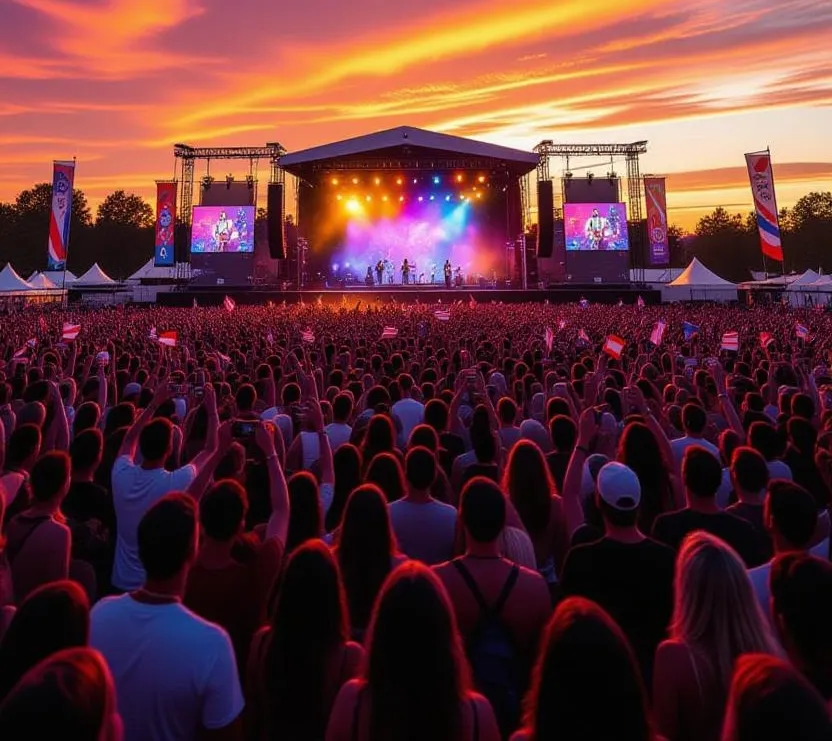

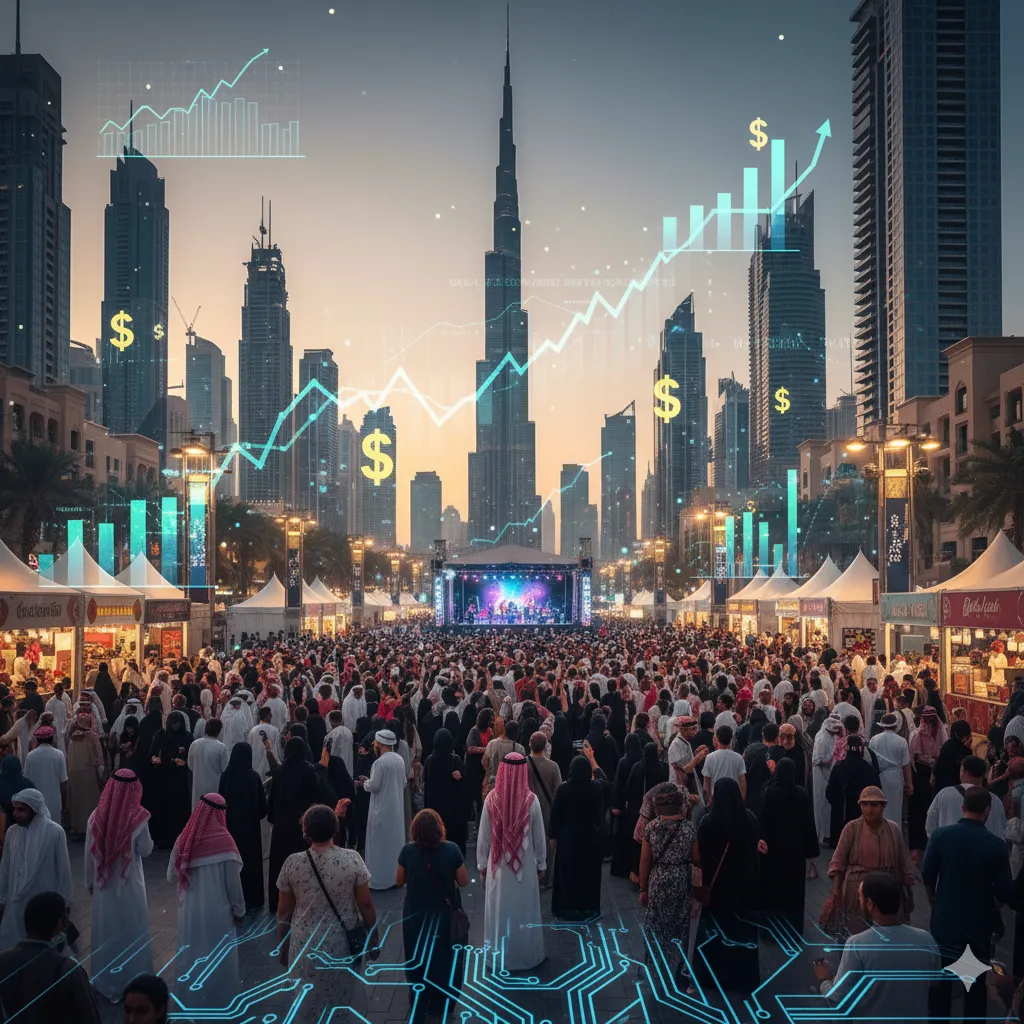
When the gates open at a world-renowned music festival like Coachella, Glastonbury, or Tomorrowland, we see a flood of people seeking music, art, and community. What is less visible, but equally powerful, is the flood of capital that follows them. These international mega-events are far more than just cultural gatherings; they are potent economic engines that generate billions in revenue, transform local economies, create jobs, and place their host cities on the global stage.
The true economic impact of a festival isn’t just measured in ticket sales. It’s a complex, multi-layered phenomenon that includes a tourism boom, a powerful branding effect, and a ripple of financial benefits that touches nearly every sector of the local economy. This analysis dives into the statistics, examples, and business opportunities that reveal how hosting a festival is a strategic investment with massive returns.
The Direct Injection: A Tourism Tsunami
The most immediate economic impact comes from tourism. An international festival attracts tens, or even hundreds, of thousands of visitors who need places to sleep, eat, and travel. For a host city, this is a guaranteed, high-volume injection of foreign and domestic spending.
Consider the Coachella Valley Music and Arts Festival. A 2023 economic impact report revealed that the festival and its attendees generated an estimated $704 million for the Coachella Valley and a staggering $1.6 billion for the wider Southern California region. This isn’t an anomaly. In the small Belgian town of Boom, Tomorrowland attracts 400,000 attendees from over 200 countries. During the festival weekends, local hotels are booked solid for miles around, restaurants operate at maximum capacity, and local transport services see an unprecedented surge in demand. For these communities, the festival isn’t just a busy week—it’s the cornerstone of their annual economy.
This spending breaks down into several key areas:
- Accommodation: Hotels, short-term rentals, and campsites see occupancy rates skyrocket, often at premium prices.
- Food and Beverage: Attendees spend significantly on-site and in local restaurants, bars, and grocery stores.
- Transportation: Airlines, train services, and local taxi and ride-sharing companies experience a massive increase in business.
- Retail: Visitors purchase everything from camping supplies and festival fashion to local souvenirs.
The Ripple Effect: Fueling the Local Economy
Beyond the direct spending of tourists, international festivals create a powerful ripple effect that stimulates a vast network of local businesses and creates thousands of jobs. The festival itself acts as a temporary corporation with huge operational needs, and it overwhelmingly sources its labor and supplies locally.
Think of the sheer logistics involved:
- Construction and Production: Stages, sound systems, lighting rigs, fencing, and art installations need to be built, requiring skilled labor from construction workers, engineers, electricians, and artists.
- Operations and Staffing: A festival hires thousands of temporary staff for security, ticketing, sanitation, medical services, and guest relations.
- Supply Chain: On-site vendors need to source their food, drinks, and materials, creating a massive demand for local producers, farmers, and distributors. A festival like Glastonbury, situated on a working farm, places a strong emphasis on using local and organic food suppliers, directly benefiting the regional agricultural economy.
This ecosystem of expenditure means that the money from a single ticket purchase is dispersed widely, supporting a diverse range of industries and providing crucial income for local residents.
The Intangible Gold: City and Nation Branding
Perhaps the most valuable long-term economic benefit is the least tangible: branding. Hosting a world-class festival puts a city, region, or even an entire country on the global map, associating it with youth, creativity, and culture. This “soft power” is marketing gold that can reshape international perceptions and drive tourism for years to come.
- Coachella has made the California desert synonymous with a certain brand of cool, influencing fashion and travel trends worldwide.
- Exit Festival played a pivotal role in rebranding Serbia after the Yugoslav Wars. Born from a student movement for democracy, it presented a new image of the country as a vibrant, welcoming, and forward-thinking destination, which has had a lasting positive impact on its tourism industry.
- Sziget Festival has turned Budapest’s Óbuda Island into the “Island of Freedom,” attracting a young, international audience and reinforcing the city’s reputation as a top European travel destination.
This positive association encourages “festival tourists” to return for other holidays and inspires a new generation of travelers to visit for the first time, creating a sustainable tourism model that extends far beyond the festival dates.
Catalyst for Investment and Business Opportunities
The recurring need to host a massive event can also act as a catalyst for permanent infrastructure investment. Cities may upgrade public transportation, expand airport capacity, or improve telecommunications to handle the influx. These improvements benefit the local population year-round.
Furthermore, a successful festival cultivates a thriving ecosystem of ancillary businesses:
- Festival Fashion: A multi-million dollar industry has been built around what people wear to festivals, benefiting both global brands and local designers.
- Tech and Innovation: Festivals are now proving grounds for new technologies, from cashless RFID wristbands to sophisticated event management platforms and AR-driven fan experiences.
- Sponsorship and Corporate Partnerships: Major global brands invest millions in sponsorships to connect with the coveted festival demographic, providing a massive revenue stream for organizers and creating high-profile activation opportunities.
Conclusion: A Strategic Economic Powerhouse
It’s clear that an international music festival is a powerful economic force. It’s a major tourism driver, a creator of jobs, a stimulant for local businesses, and a world-class branding opportunity. The initial investment in logistics, security, and talent is significant, but the returns—both direct and indirect, tangible and intangible—are immense. When a city successfully hosts a major festival, it isn’t just putting on a show; it’s conducting a masterclass in economic development